
Dominica’s Citizenship by Investment
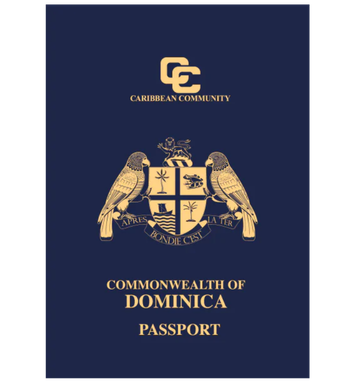
Dominica is a beautiful island nation in the Caribbean, known for its natural beauty and eco-tourism opportunities. Located between Guadeloupe and Martinique, it offers a tropical climate, a rich cultural heritage, and a growing economy focused on sustainability.
Population: 72,000
Language: English (official), French Creole (widely spoken)
Economy: Primarily agricultural, with growing eco-tourism and opportunities in agriculture, particularly bananas and citrus fruits.
Currency: Eastern Caribbean Dollar (XCD)
 Benefits
Dominica’s citizenship by investment program was established in 1993 to help the country strengthen its economy. It has allowed the government to increase its direct investments in areas such as healthcare, education, agriculture, and infrastructure.
The Citizenship by Investment Program is set out in the regulations published pursuant to Section 101 of the Constitution and Sections 8 and 20 (1) of the Citizenship Act.
Citizenship is granted to qualified applicants within months with no residency requirements. Once the applicant is granted citizenship, S/he becomes a citizen for life with their family members.
Benefits:
- The Commonwealth of Dominica imposes minimal taxation, with an exception of no taxation on wealth, gift, inheritance, foreign income, or capital gains.
- There are no physical residency requirements, you are entitled to apply instantly.
- There is no need to renounce your current citizenship(s), and your home authorities are not notified of your new citizenship.
Investment Options:
- $100,000 – Contribution to the Economic Diversification Fund (EDF) is non-refundable. The donation amount may vary based on the number of dependents included in the main applicant’s application. To qualify for citizenship as a single applicant, you will be required to make a government donation of $100,000.
- $200,000 – Real Estate option should be approved by the government. The property can be sold in 3 years.
- Location and Geography:
- Dominica is situated between the French islands of Guadeloupe to the north and Martinique to the south. It is part of the Lesser Antilles in the Caribbean Sea.
- The island is mountainous with lush rainforests, waterfalls, hot springs, and a volcanic landscape, making it a popular destination for nature enthusiasts.
- Capital and Major Cities:
- Roseau: The capital and largest city, located on the west coast of the island. It is the political and economic center of Dominica.
- Other notable towns include Portsmouth and Marigot, known for their scenic views and rich cultural heritage.
- Language and Culture:
- Language: The official language is English, but a French-based Creole (Kwéyòl) is also widely spoken.
- Culture: Dominica has a rich cultural heritage that blends African, Caribbean, and European influences. It is known for its vibrant festivals, such as the annual Carnival, which celebrates music, dance, and the island’s unique cultural identity.
- Population:
- Dominica has a relatively small population of around 72,000 people, making it one of the least populated islands in the Caribbean.
- Economy:
- Dominica’s economy is primarily based on agriculture, including the production of bananas, citrus fruits, and vegetables. The country also has a growing eco-tourism industry, attracting visitors to its natural attractions.
- It is also one of the few countries in the world with a Citizenship by Investment (CBI) program, which allows foreign nationals to obtain citizenship in exchange for investment in the country.
- Environment and Natural Beauty:
- Dominica is renowned for its unspoiled natural beauty, including rainforests, volcanic peaks, rivers, and geothermal springs. It is home to several national parks and protected areas, such as the Morne Trois Pitons National Park, a UNESCO World Heritage Site.
- The island is a popular destination for hiking, scuba diving, whale watching, and eco-tourism.
- Climate:
- Dominica has a tropical climate with warm temperatures year-round. The island experiences a wet season from June to November, coinciding with the hurricane season, and a dry season from December to May.
- Tourism:
- The island’s eco-tourism industry is a key driver of its economy. Tourists are drawn to its natural attractions, including the Boiling Lake (the second-largest boiling lake in the world), the Waitukubuli National Trail (Caribbean’s longest hiking trail), and its diverse marine life.
- The island is also known for its sustainable tourism practices, focusing on environmental conservation and responsible travel.
- Political System:
- Dominica is a parliamentary democracy and a member of the Commonwealth of Nations. The president is the ceremonial head of state, while the prime minister is the head of government.
- The country is politically stable, with a strong commitment to maintaining environmental sustainability and social welfare.
- Citizenship by Investment (CBI):
- Dominica’s Citizenship by Investment program allows individuals to acquire citizenship by making a financial contribution to the country, typically through real estate investment or a donation to the government’s Economic Diversification Fund. This program has attracted many foreign investors, particularly in the tourism and construction sectors.
- Capital and Major Cities: